Should I Buy New or Used Trucks for My Lawn Care Business?
All Posts
Equipment

Should I Buy New or Used Trucks for My Lawn Care Business?

Mike Andes·March 31, 2026·3 min read

Should I Buy New or Used Trucks for My Lawn Care Business?

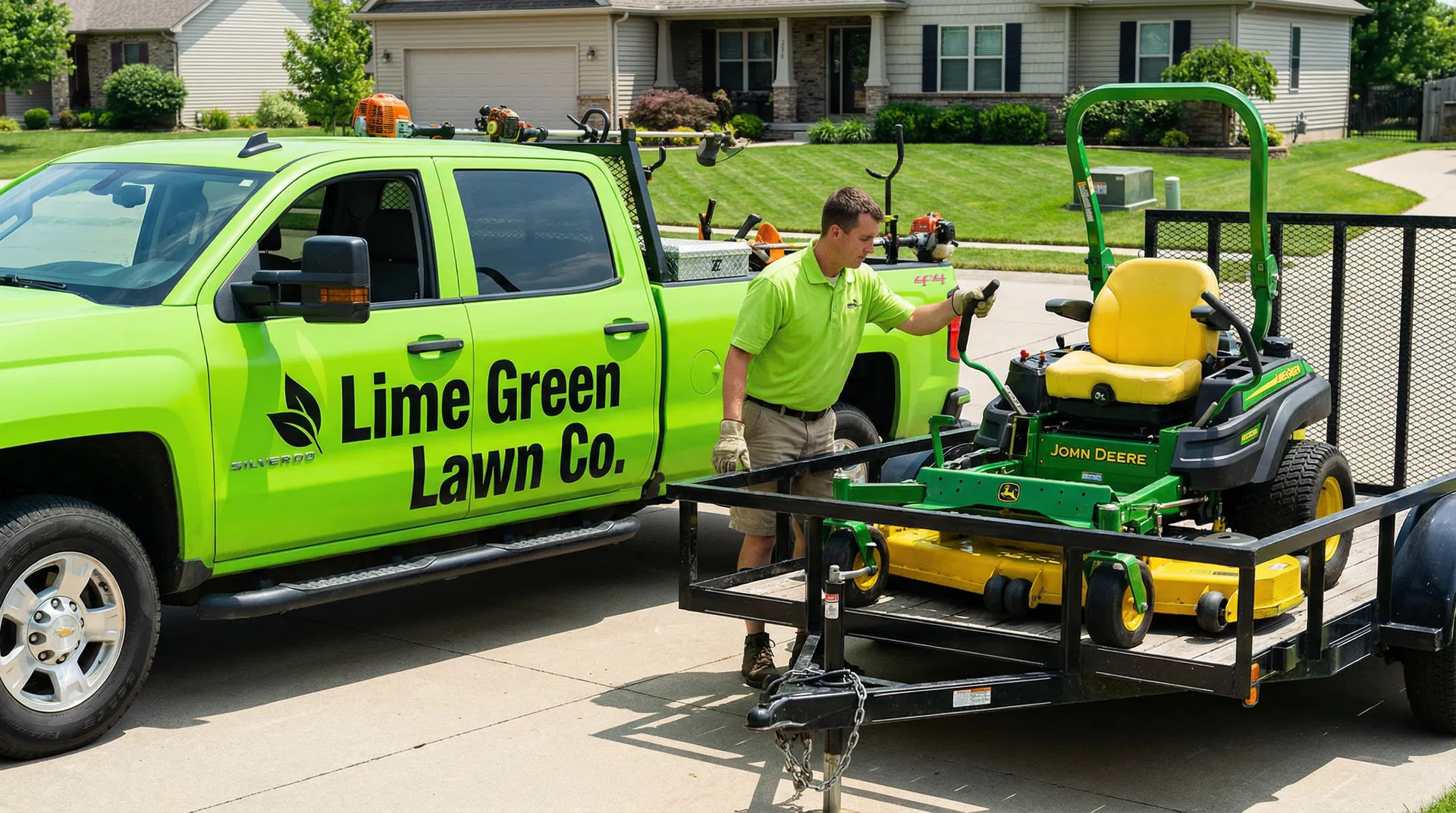
I used to say, “Only buy used trucks.” That was the advice I gave for years. In 2026, that stance has shifted—and here’s why.


The Real Cost Isn’t Just the Sticker Price

When you’re staring at a used truck price that’s $15,000 less than a new model, it looks like a no-brainer. But the truth is, your cost per mile doesn’t stop at the purchase.

Here’s what actually costs you:

  • Repairs and downtime: Every hour your truck is in the shop means lost jobs, unhappy customers, and wasted payroll.
  • Fuel efficiency: Newer trucks often get better mileage. That adds up over tens of thousands of miles.
  • Warranty coverage: If a part goes out on a new truck, the manufacturer eats that cost. On a used truck, you’re on the hook.

I’ve been there. Early in my business, I bought used trucks to save cash. Then one crew’s truck broke down mid-route. The downtime cost me $1,200 that week in lost revenue and extra labor. That’s when I started tracking cost per mile, not just price tags.


Why Used Trucks Still Make Sense—Sometimes

Used trucks have a place. If you’re just starting out and cash is tight, buying used lets you get rolling fast. You get:

  • Lower upfront cost
  • Less debt pressure
  • Flexibility to upgrade later

But here’s the catch: used trucks work best when your operation isn’t fully booked. If your crews are booked two weeks out, and you’re losing jobs because you don’t have enough trucks, buy new. If you’re running one crew, or a side hustle, used can hold you over.


When New Trucks Pay Off

New trucks come with built-in advantages that pay dividends over time:

  • Factory warranties: No repair bills for covered parts, often for 3-5 years.
  • Better fuel economy: New tech saves you hundreds, maybe thousands, a year.
  • Reliability: Less downtime means more jobs done, more revenue in your pocket.
  • Resale value: Newer trucks hold their value better when you’re ready to sell or trade.

If you’re breaking $500K a year or scaling beyond one crew, new trucks give you a system advantage. They reduce owner headaches and stabilize cash flow.

How I Look at It: A Simple Framework

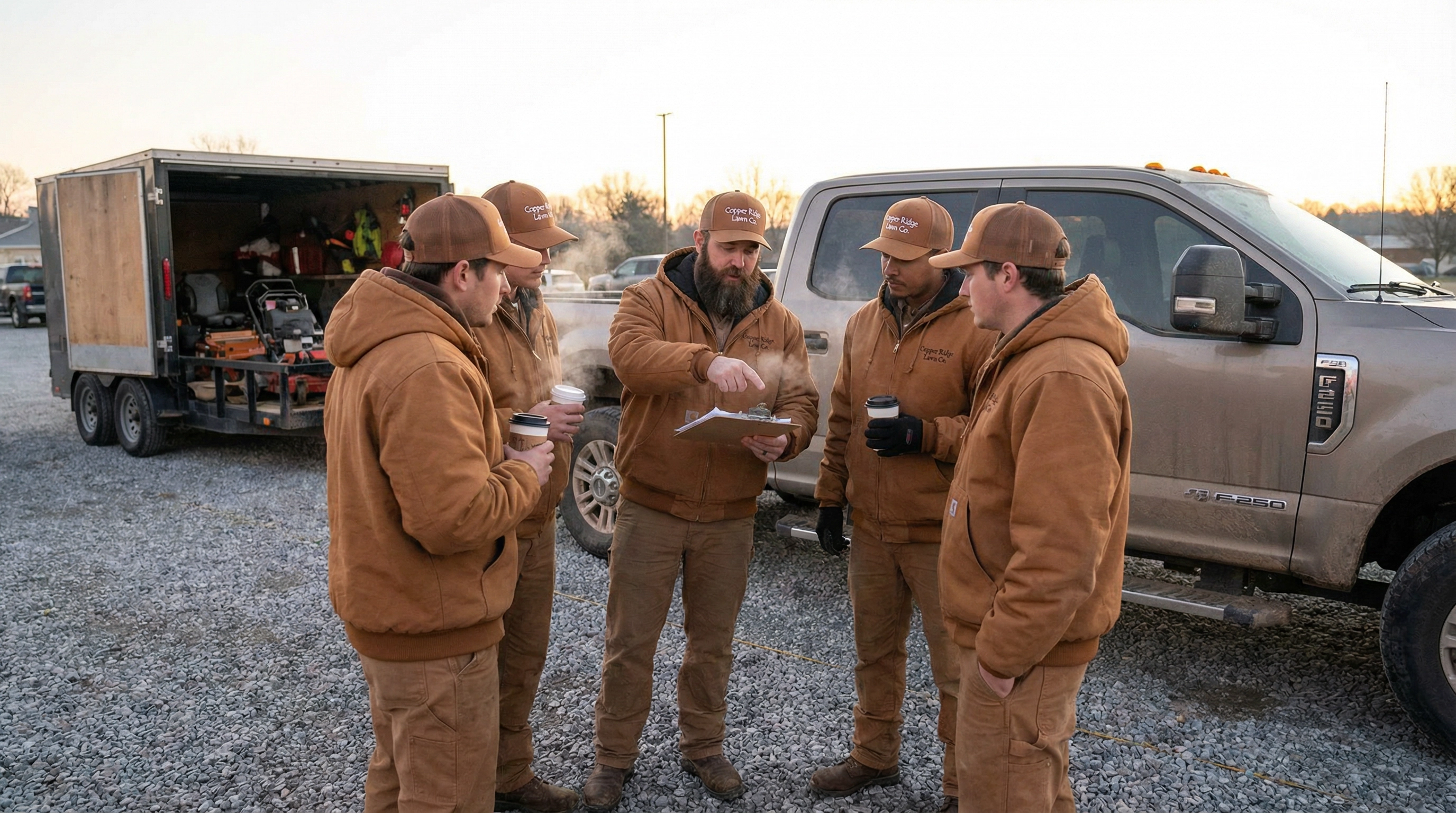
  1. Short term = used trucks. Tight cash, testing your market, one crew max. Get a reliable used truck, and build your system around it.

  2. Medium to long term = new trucks. You’re booked out, growing crews, adding locations. The warranty, reliability, and cash flow stability make new trucks worth the investment.

  3. Mix and match. Some owners keep a new truck for core operations and a used truck for backup or specific jobs.


What Actually Matters Is Cost Per Mile and Downtime

If you want to know what truck to buy, track these two KPIs:

  • Cost per mile: Add fuel, repairs, insurance, and depreciation, then divide by miles driven.
  • Downtime cost: How much money do you lose each hour your truck is off the road?

If your used truck’s cost per mile plus downtime costs approach or exceed the cost of a new truck, it’s time to switch.


Real Example from the Field

One franchise I worked with bought used trucks to save money. Within six months, they had $5,000 in unexpected repairs and lost $3,000 in revenue from downtime. When they switched to new trucks with warranties, their downtime dropped by 75%, and their cost per mile became predictable.

That predictability let them focus on growing their crews and landing bigger commercial accounts.


If you’re serious about scaling your lawn care business, this is one of the biggest decisions you’ll make.

You can start lean with used trucks, but don’t get stuck there. At some point, buying new trucks isn’t just a cost—it’s a system that protects your cash flow and frees you from firefighting repairs.


Get my framework for buying trucks and managing your fleet in my free courses. Check them out at MikeAndes.com. This is where I lay out the exact numbers and systems I use to keep multiple locations running smoothly.


Here’s the bottom line: If you want to grow beyond $500K and reduce your owner involvement, start thinking about the total cost of your trucks—not just the sticker price. That’s where profit hides.

Mike Andes on YouTube
This 20-Year-Old Runs a $800K Lawn Business (NO EMPLOYEES)
Watch the full video for more detailOpen on YouTube
Frequently Asked Questions

Common Questions Answered

Ready to Build a Real Business?

Get the free courses, join the Augusta franchise network, or get a website that actually converts.